
Celebrating Black Music Month: Architects of Sound
Every piece of music we listen to carries an echo of history. As we celebrate Black Music Month this June, Harmony Project honors the incredible Black musicians who molded the foundation of the American soundscape. We know that music is a great unifier in cultures and is a powerful tool to evoke emotion and promote unity. Music is a living history, woven directly into the fabric of the American quilt.
True innovation happens when creativity, struggle, and passion meet. The American musical landscape was entirely reshaped by trailblazers whose creativity was wielded into art, inventing genres that define culture.
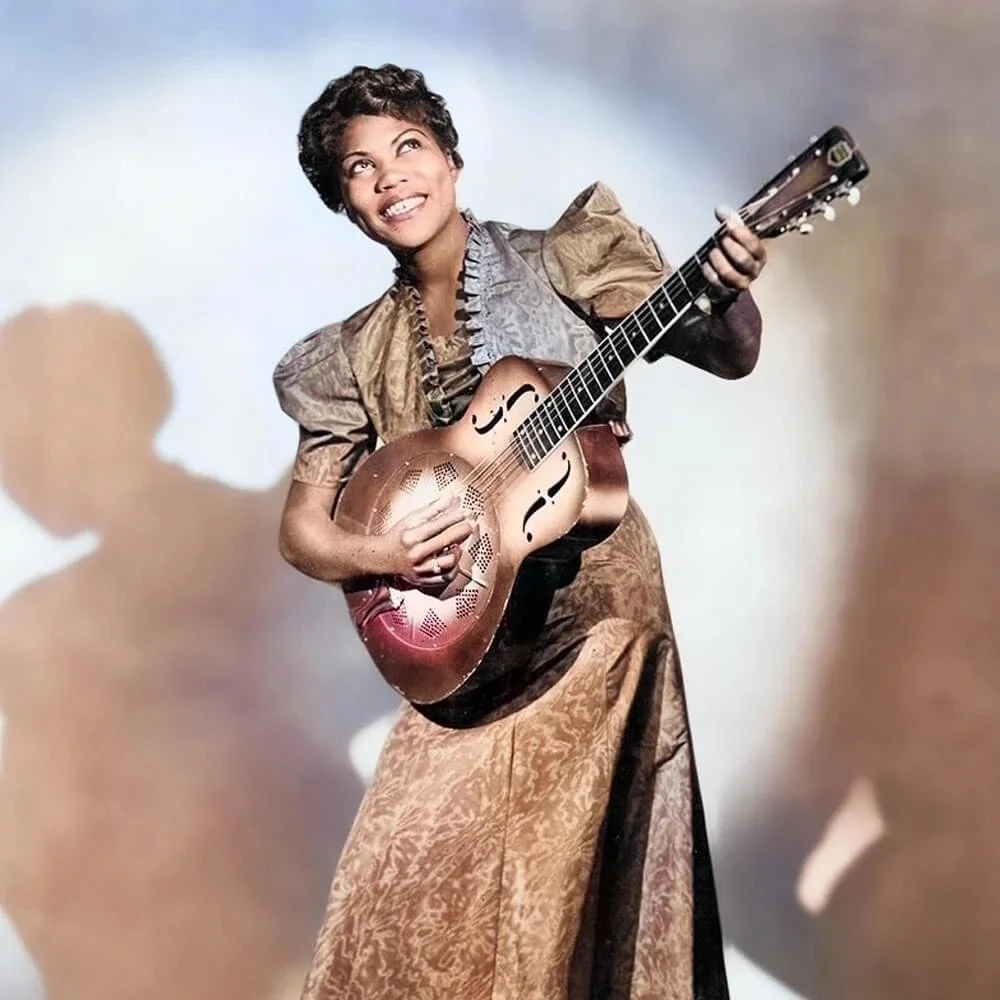
Sister Rosetta Tharpe performing.
Consider below just some of the genres pioneered or innovated by Black artists:
Rock and Roll: In the 1930s, Sister Rosetta Tharpe shredded on the electric guitar long before standard rock icons ever entered the conversation.
Blues: Starting in the 1940s, Muddy Waters electrified the delta sound, giving a voice to hardship and resilience.
Gospel: In the late 1940s, Mahalia Jackson started to infuse sacred spaces with immense vocal power, establishing the emotional blueprint for American singing.
Jazz: For decades, starting in the late 1940s, Miles Davis continuously broke boundaries, changing how the world understands improvisation and cool complexity.
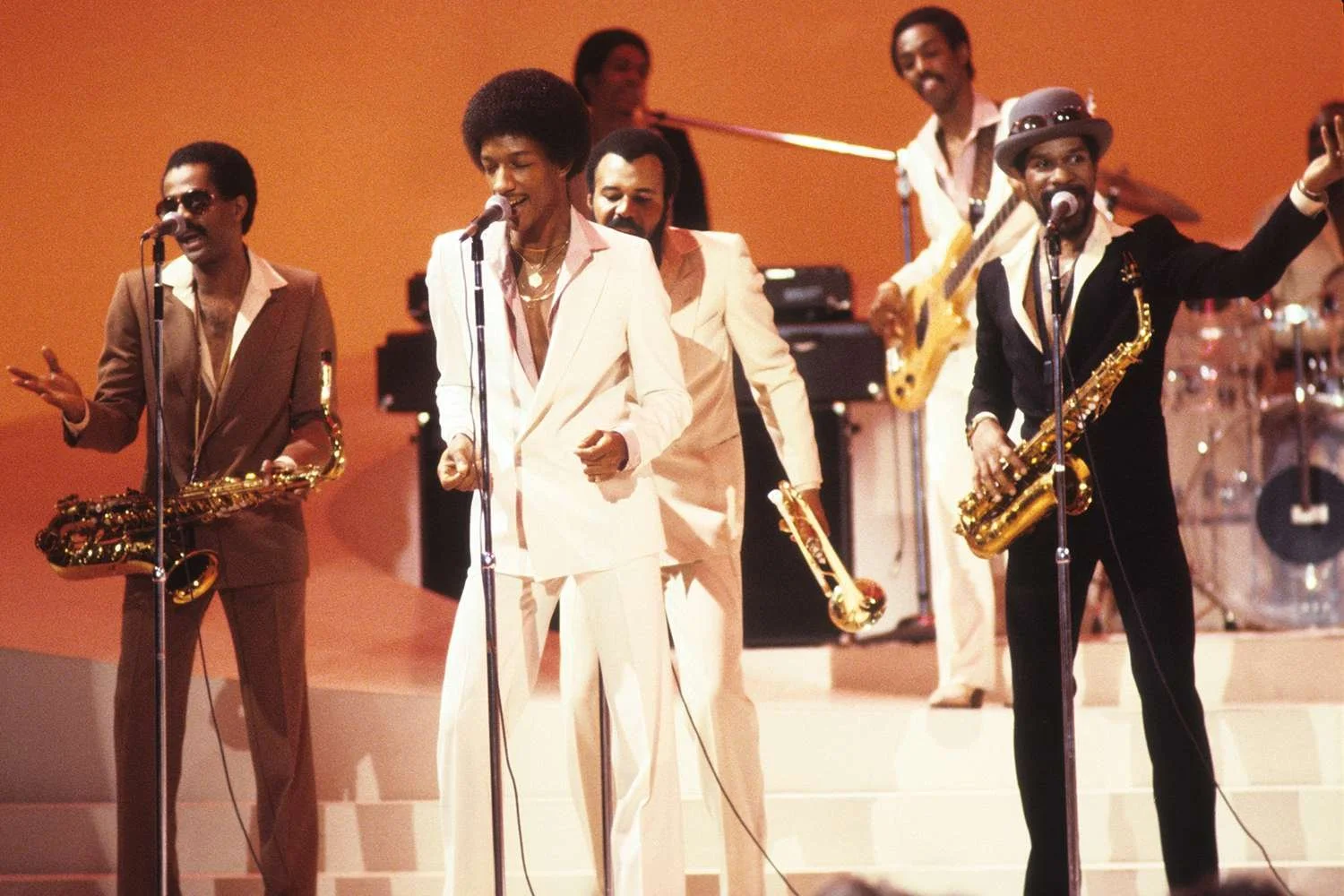
Kool & The Gang performing.
Funk: Kool & The Gang helped usher in the era of funk with hits like Hollywood Swinging and Jungle Boogie, anchoring the genre with deep, syncopated basslines and locked drum breaks that defined the street-funk sound of the 1970s.
R&B: Starting in the 1960s to present day, Stevie Wonder integrated brilliant songwriting with technological mastery, rewriting the rules of soul.
Hip Hop: Beginning in the mid-1970s, Grandmaster Flash revolutionized the turntable, turning South Bronx blocks into global classrooms while using elements from other musical genres.
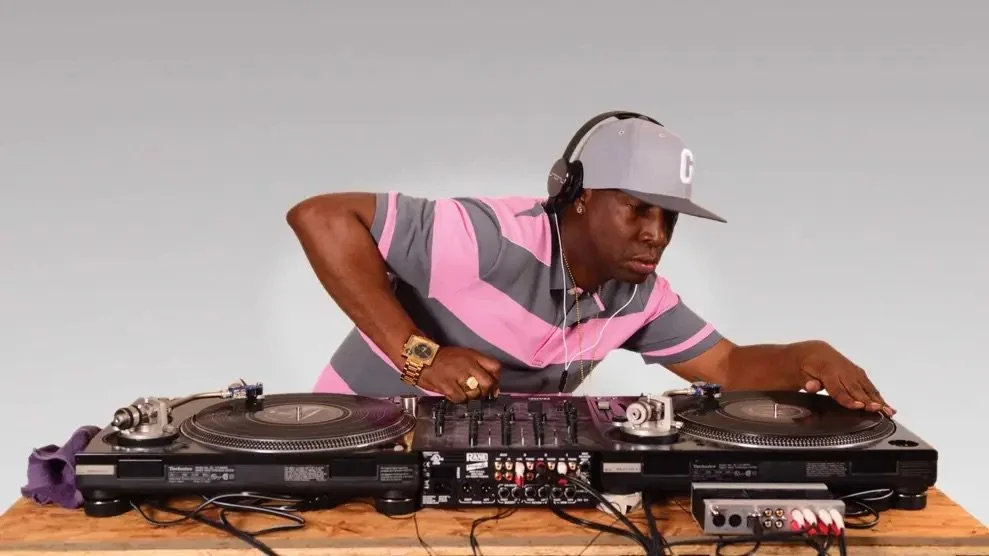
Grandmaster Flash working out beat transitions on his turntable set.
Electro Music: Juan Atkins experimented with synthesizers in Detroit, known as the pioneer of Detroit techno, helping push forward the entire global electronic movement.
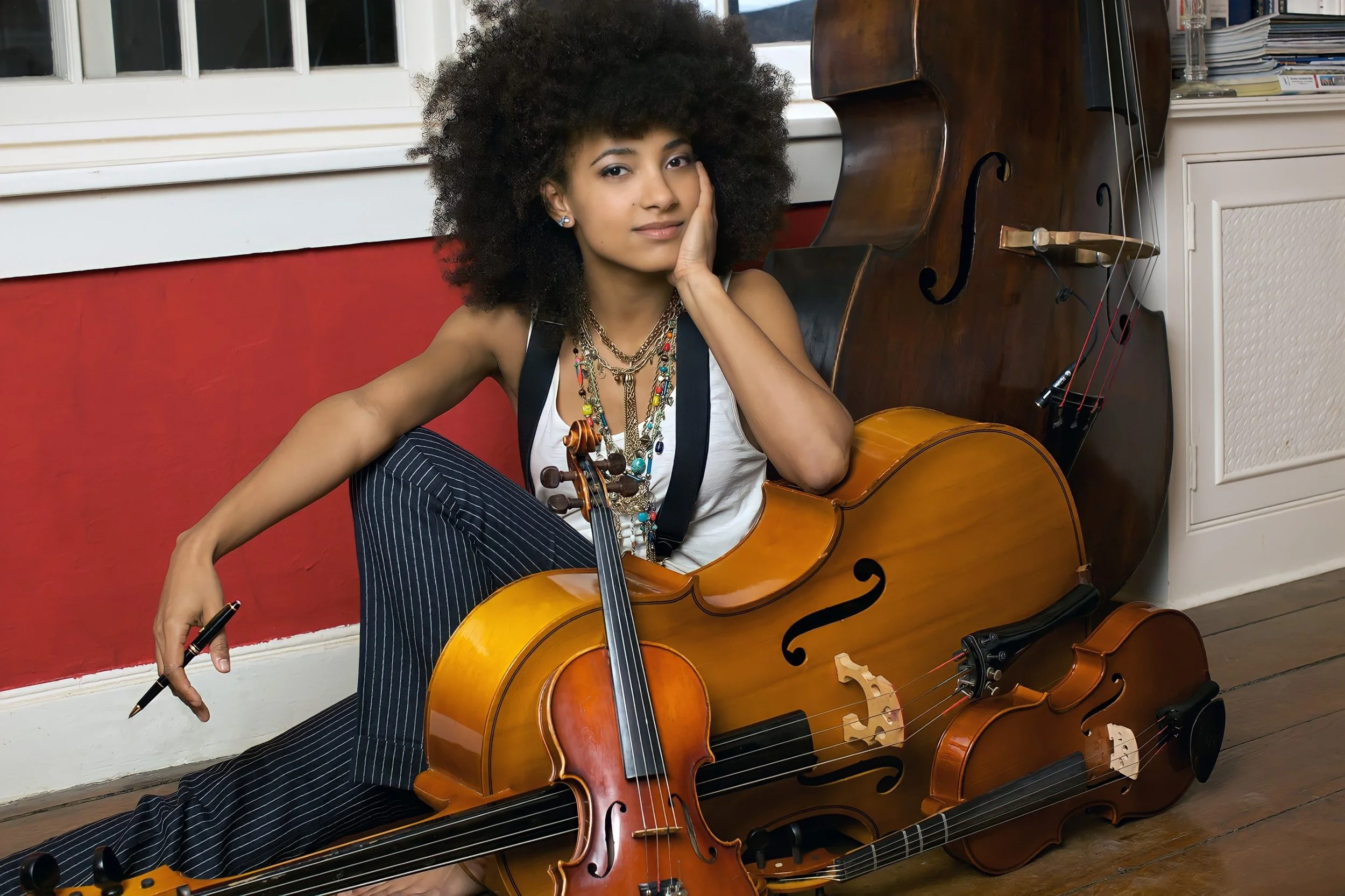
Esparanza Spalding
Neo-Soul, Acoustic Jazz & Bosa Nova: Present day, Esperanza Spalding leads the charge on proving jazz is a fluid, ever-evolving art form. As a bassist and singer, she weaves neo-soul vocal textures, R&B rhythms, and acoustic bossa nova to further innovate acoustic jazz.
How These Pioneers Influence Harmony Project
This is just a few genres impacted by Black music artists. These visionary creatives did not just contribute to existing styles; they birthed the very rhythms we dance and listen to today.
At Harmony Project, we see that same creative spark in our young artists every single day. Thanks to the legendary pioneers of the past, today's music creators are inspired to push genres even further.
We honor this legacy by ensuring that our students have the free resources, mentorship, and space to ensure their own unique voices are loudly heard. And this is all possible to you, our supporters, for your charitable gifts.
About Harmony Project:
Harmony Project is a nonprofit that provides high-quality music instruction and social support to children year-round at no cost throughout community hubs in Los Angeles. As one of Los Angeles’ largest music education organizations, Harmony Project is dedicated exclusively to serving children from low-income families and under-resourced communities. Harmony Project envisions a world in which all students have equal access to opportunities to learn how to play music and the resources needed to thrive in college and beyond. Harmony Project’s holistic approach to student success has resulted in impressive outcomes with 98 percent of the graduating high school class accepted to a college or university during the 2025-2026 academic year.